


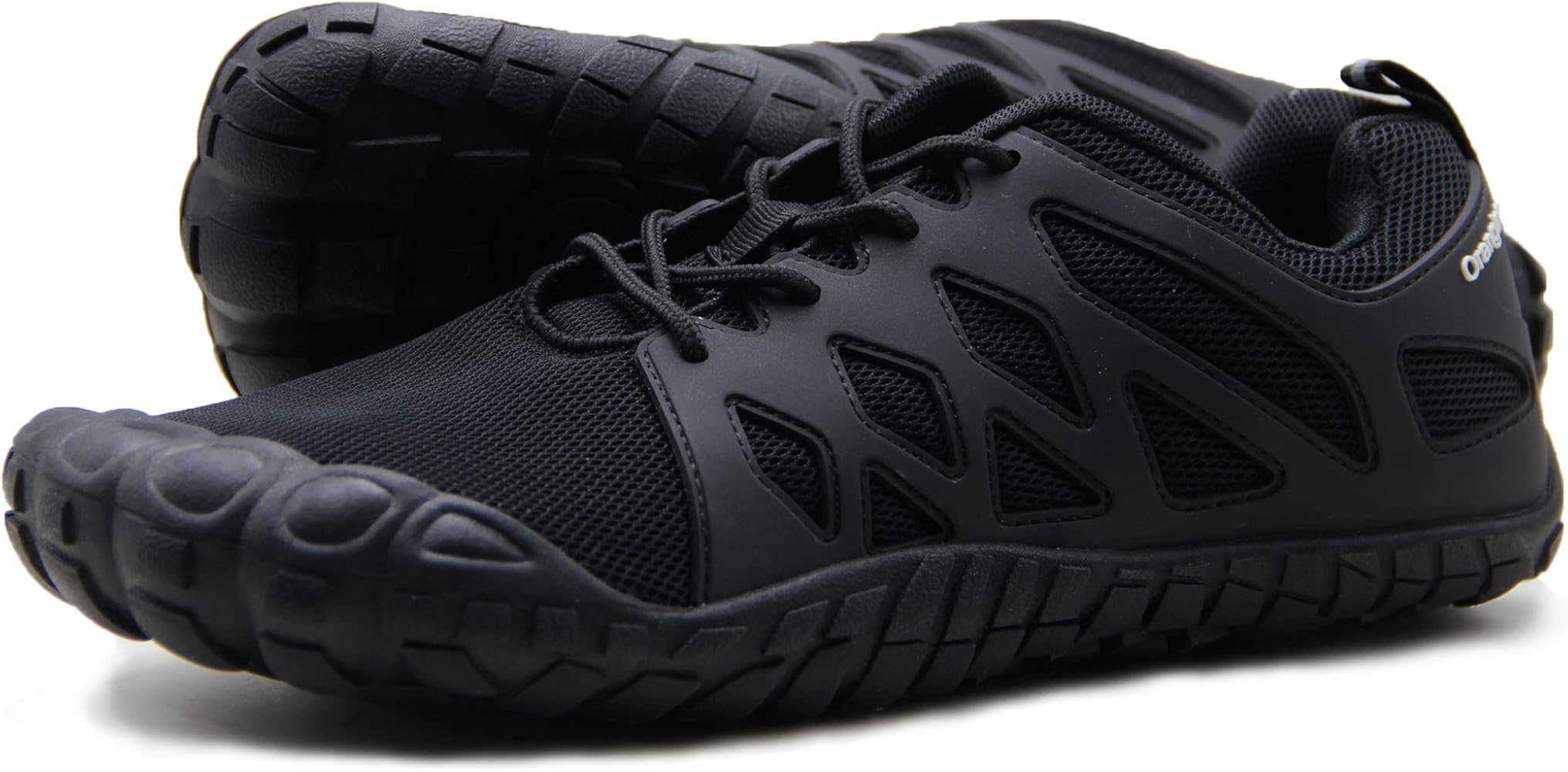
Men’s barefoot shoes are designed to replicate the natural shape and movement of the human foot, allowing wearers to walk, stand, and move with improved alignment. Unlike traditional footwear that often features thick cushioning, elevated heels, and rigid soles, men’s barefoot shoes encourage the body to maintain its natural posture. This design philosophy supports proper weight distribution, enhances stability, and allows muscles to function as intended.
Modern lifestyles often involve long hours of sitting, standing on hard surfaces, or wearing restrictive footwear that alters the body’s mechanics. Over time, these habits can lead to poor posture, joint strain, and balance issues. Men’s barefoot shoes offer an alternative approach by promoting a more natural stance that aligns the spine and encourages efficient movement patterns. Their minimalist construction allows the feet to connect more directly with the ground, improving coordination between the body and its environment.
Understanding how men’s barefoot shoes contribute to posture and balance involves exploring their structural design, biomechanical benefits, and the way they influence movement patterns during daily activities.
Natural Foot Position Encourages Proper Alignment
One of the defining characteristics of men’s barefoot shoes is their zero-drop design. This means the heel and forefoot sit at the same height, preventing the forward tilt caused by elevated heels in conventional footwear. When the foot remains level with the ground, the ankles, knees, hips, and spine align more naturally. This alignment reduces unnecessary strain on joints and muscles that would otherwise compensate for imbalance.
Traditional shoes with raised heels shift body weight toward the front of the foot, forcing the lower back to arch and the hips to adjust unnaturally. Over time, this altered posture may contribute to discomfort and muscular fatigue. Men’s barefoot shoes eliminate this artificial elevation, allowing the body to maintain a more upright and relaxed stance.
Toe box design also plays a significant role. Many standard shoes narrow toward the front, squeezing the toes into an unnatural position. Men’s barefoot shoes provide a wider toe box that allows the toes to spread naturally. This toe splay improves stability by creating a stronger base of support. When the toes can grip and stabilize properly, the body maintains balance more effectively during standing and walking.
The thin, flexible soles found in men’s barefoot shoes further enhance natural posture. Instead of restricting movement, they allow the foot to bend and flex as it was designed to do. This flexibility encourages proper gait mechanics and reduces stiffness that can travel upward into the knees and hips.
By allowing the feet to function naturally, men’s barefoot shoes help establish a stable foundation that supports the entire skeletal structure. Improved alignment reduces compensatory movements and encourages a posture that feels more balanced and less strained.
Enhanced Ground Feedback Improves Stability
Balance depends heavily on the body’s ability to sense its position relative to the ground. Men’s barefoot shoes enhance this awareness by minimizing the barrier between the feet and the surface beneath them. Their thin soles improve sensory feedback, also known as proprioception, which helps the brain make quick adjustments to maintain stability.
Thick cushioning in conventional footwear can dull sensory input, making it harder to detect subtle changes in terrain. This reduced feedback may delay the body’s response to uneven surfaces, increasing the risk of missteps. Men’s barefoot shoes restore this connection by allowing wearers to feel variations in texture and slope more clearly.
With better sensory input, muscles respond more efficiently to maintain equilibrium. Small stabilizing muscles in the feet and ankles engage more actively, strengthening over time. This increased muscular engagement supports joint stability and reduces reliance on external support structures.
The improved responsiveness gained from wearing men’s barefoot shoes benefits both dynamic and stationary activities. Whether navigating uneven sidewalks, exercising, or simply standing for extended periods, the body can adapt more quickly to shifts in weight distribution.
This direct ground connection also encourages a more mindful walking pattern. Wearers tend to adopt shorter strides and gentler foot placement, which reduces impact forces and promotes smoother transitions between steps. These adjustments further enhance balance while minimizing stress on joints.
Consistent use of men’s barefoot shoes trains the neuromuscular system to react efficiently to environmental changes. Over time, this improved coordination translates into better overall stability and a reduced likelihood of falls or misalignment.
Stronger Foot Muscles Support Body Balance
The human foot contains numerous muscles that play a critical role in supporting posture and movement. Traditional footwear often limits their activity by providing excessive arch support and rigid soles that restrict motion. Men’s barefoot shoes encourage these muscles to work more actively, promoting strength and resilience.
When the foot is allowed to flex naturally, intrinsic muscles engage to support the arch and maintain stability. This muscular activity strengthens the foundation of the body’s alignment system. Stronger feet provide better shock absorption and reduce the workload placed on larger muscle groups higher in the body.
Weak foot muscles can contribute to overpronation or poor weight distribution, which may affect knee alignment and hip positioning. Men’s barefoot shoes help restore muscular balance by allowing natural motion and reducing dependence on artificial support.
Improved muscle strength also enhances balance by stabilizing the ankle joint. The ankle plays a key role in maintaining equilibrium, especially during dynamic movements. When foot muscles are stronger, they assist the ankle in making subtle adjustments that prevent wobbling or instability.
Over time, stronger feet contribute to more confident movement patterns. Activities such as climbing stairs, standing on one leg, or navigating uneven ground become easier when the feet function efficiently. Men’s barefoot shoes promote this functional strength by encouraging natural engagement with every step.
Movement Patterns Become More Efficient
Men’s barefoot shoes influence the way individuals walk and move throughout the day. Their minimalist design encourages a midfoot or forefoot strike rather than a heavy heel strike. This change in gait reduces impact forces and promotes smoother transitions between steps.
A more natural stride supports proper joint alignment and reduces stress on the knees and hips. Efficient movement patterns also help conserve energy, allowing muscles to work in coordination rather than compensating for poor mechanics.
As movement becomes more fluid, posture improves automatically. The spine remains more aligned when the lower body functions efficiently, creating a chain reaction that benefits overall balance. Men’s barefoot shoes support these improvements by removing restrictions that interfere with natural biomechanics.
Long-Term Benefits for Everyday Activities
Consistent use of men’s barefoot shoes can produce lasting improvements in posture and balance. Over time, the body adapts to a more natural stance, reducing discomfort associated with prolonged standing or walking. Individuals may notice less tension in the lower back, improved spinal alignment, and greater comfort during daily tasks.
Better balance also enhances safety and confidence in movement. Whether participating in sports, exercising, or performing routine activities, improved stability reduces the risk of slips and falls. The strengthened connection between the feet and the ground supports controlled and precise movements.
Men’s barefoot shoes are especially beneficial for individuals seeking a more natural approach to physical wellness. Their design aligns with the body’s biomechanics, promoting efficient motion and reducing reliance on artificial support structures.
By encouraging proper alignment, enhancing sensory feedback, and strengthening essential muscles, men’s barefoot shoes provide comprehensive support for posture and balance. Their minimalist construction allows the body to move as intended, creating a stable foundation that benefits both active pursuits and everyday life.